IV Sedation and Anesthesia in Atlanta & Cumming. Oral surgery with IV sedation, so you can rest through it.
IV sedation is medicine given through a small vein in your arm or hand that makes you deeply relaxed and drowsy during oral surgery. Most people remember little or nothing afterward. You may want it if you feel anxious, gag easily, or need a longer procedure such as removing several wisdom teeth.
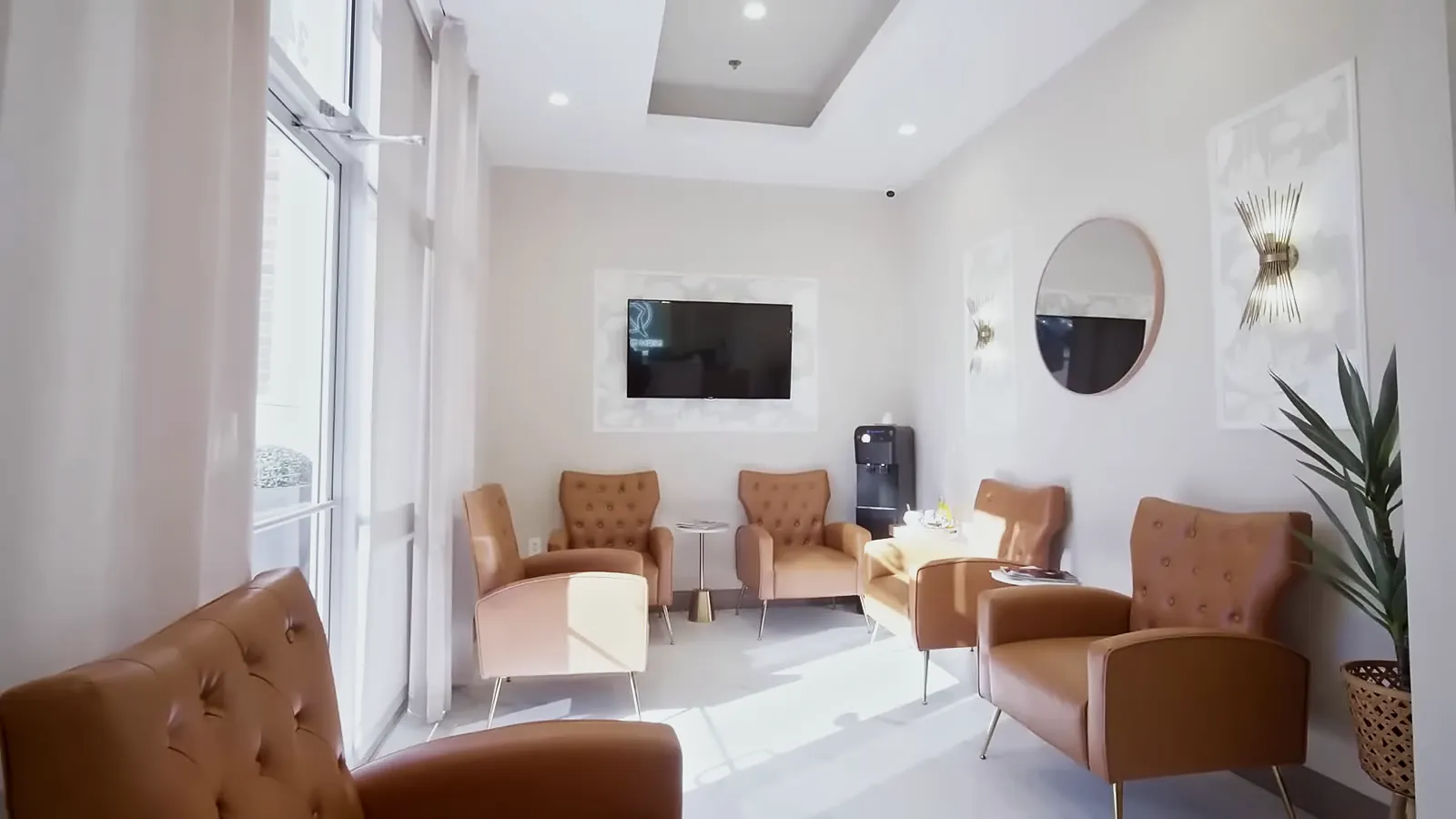
Who it is for
Who IV sedation suits
You do not need a reason beyond wanting to be comfortable. These are common situations where people choose it.
- You feel anxious or fearful about oral surgery
- You have a strong gag reflex
- You find it hard to sit still or keep your mouth open for long
- Your procedure is longer, such as several wisdom teeth or an implant with grafting
- Numbing alone has not kept you comfortable in the past
- You would rather not remember the procedure
How it works
How does IV sedation work?
Greater Atlanta Oral & Facial Surgery offers sedation options including IV sedation, along with local anesthesia and laughing gas (nitrous oxide). Dr. Abtin talks through your health history and how you feel about the procedure, then helps you choose the level that suits you. It is a common choice for wisdom teeth removal and for longer procedures, while jaw surgery is usually done under general anesthesia in a hospital.
Health review
At your consultation, Dr. Abtin goes over your medical history, medications, supplements and any past reactions to anesthesia. Tell him if you are or might be pregnant.
Getting ready
The office explains your fasting instructions before your visit, and you follow them exactly. Arrange an adult to drive you home, and wear loose clothing with sleeves that roll up easily.
IV and monitors
A small IV line is placed in your arm or hand, and you are watched closely for the whole procedure.
During surgery
As the medicine takes effect you drift into a sleepy, relaxed state. The surgical area is also numbed with local anesthesia, so you stay comfortable once the IV medicine wears off.
Waking up and going home
You rest in the office until you are alert enough to leave. Your driver takes you home, and you plan on a quiet rest of the day.
Recovery
How do you feel after IV sedation?
IV sedation wears off gradually over the rest of the day. How you feel also depends on the surgery you had, so follow the instructions for that procedure too.
You wake up drowsy and may feel a little unsteady. The team keeps watching you until you are ready to leave with your driver.
Plan to rest at home with a responsible adult nearby. Do not drive, use machinery, drink alcohol or sign important papers until the next day.
Most people feel clear-headed by the next morning. Any remaining soreness comes from the surgery itself, not the sedation.
Call the office if you feel unusually drowsy, have nausea that will not settle, notice redness or swelling where the IV was placed, or have any other concern after your sedation. General after-surgery instructions.
Local, laughing gas or IV: which fits you?
The choice is made with Dr. Abtin at your consultation, based on the procedure, your health history and your comfort level. Local anesthesia numbs the area while you stay fully awake. Laughing gas (nitrous oxide) takes the edge off and wears off quickly. With IV sedation you can sleep through it and usually wake with little memory of the procedure.
About IV sedationDoes insurance cover IV sedation?
Coverage for sedation varies. Some dental and medical plans cover IV sedation for certain surgeries, while others treat it as optional. The office works with most dental and medical insurance plans. Ask the team what your plan is likely to cover before your procedure. Financing is available.
Insurance and financingFAQ
Questions about IV sedation
Direct answers first. Your consultation covers the details of your own case.
Will I be asleep during IV sedation?
You will feel asleep, though IV sedation is not the same as being fully unconscious. You stay able to breathe on your own and may respond to simple requests. Most people feel like they took a short nap and remember little or nothing of the procedure.
Can I eat or drink before IV sedation?
Usually not: you will be asked to skip food and drink for a set number of hours before IV sedation. An empty stomach lowers the risk of problems while you are sedated. The office will tell you exactly when to finish eating and how to handle your regular medications. If you ate by mistake, call before you come in.
Can I drive myself home after IV sedation?
No, you need a responsible adult to drive you home after IV sedation. The medicine slows your reactions and judgment for the rest of the day, even if you feel fine. Rideshare or taxi alone is not a substitute. Plan to have someone stay with you for a few hours at home too.
How long does IV sedation take to wear off?
IV sedation wears off over several hours, and most people feel back to normal by the next morning. You may feel sleepy, a little forgetful or unsteady for the rest of the day. That is why you rest at home and skip driving and big decisions until the following day.
Is IV sedation safe?
IV sedation is a routine part of oral surgery for many people, and safety starts with a careful review of your health and medications. During the procedure you are watched closely the whole time, and the team can explain how you are monitored. Some conditions, medications or a pregnancy may change which option your surgeon recommends.
Can I choose laughing gas instead of IV sedation?
Yes, laughing gas (nitrous oxide) is an option for many procedures. You breathe it through a small mask, feel calmer within minutes, and it fades quickly once the mask comes off. It does not put you to sleep, so it suits shorter procedures and milder nerves. Ask Dr. Abtin which fits yours.
Further reading
Patient information from health organizations
General education from independent sources. It does not replace advice about your own case.
- AnesthesiaAmerican Association of Oral and Maxillofacial Surgeons
- Types of anesthesiaAmerican Association of Oral and Maxillofacial Surgeons
- AnesthesiaMedlinePlus, U.S. National Library of Medicine
Related procedures
Often planned with IV sedation
Wisdom Teeth Removal
Removal of impacted or problem wisdom teeth, planned from X-rays and a 3D scan when needed, with sedation options including IV sedation.
Single Dental Implants
Replace one tooth or a few with implants placed from a 3D virtual surgical plan built on your own scan.
Tooth Extraction
Simple and surgical removal of damaged, infected or broken teeth, with socket grafting when you plan an implant later.
Next step
Questions about IV sedation? Ask first.
Call the office closest to you, or send a request and the team will call you back. If you have pain or an emergency, every attempt will be made to see you that day.
Monday to Saturday, 7:00 AM to 5:00 PM. Sunday closed.