Sinus Lift in Atlanta & Cumming. Sinus lift, measured before it starts.
A sinus lift adds bone to your upper back jaw by gently raising the floor of the sinus and placing graft material underneath. You may need one if you want an implant for an upper molar or premolar but the bone between your mouth and your sinus is too thin to hold it securely.
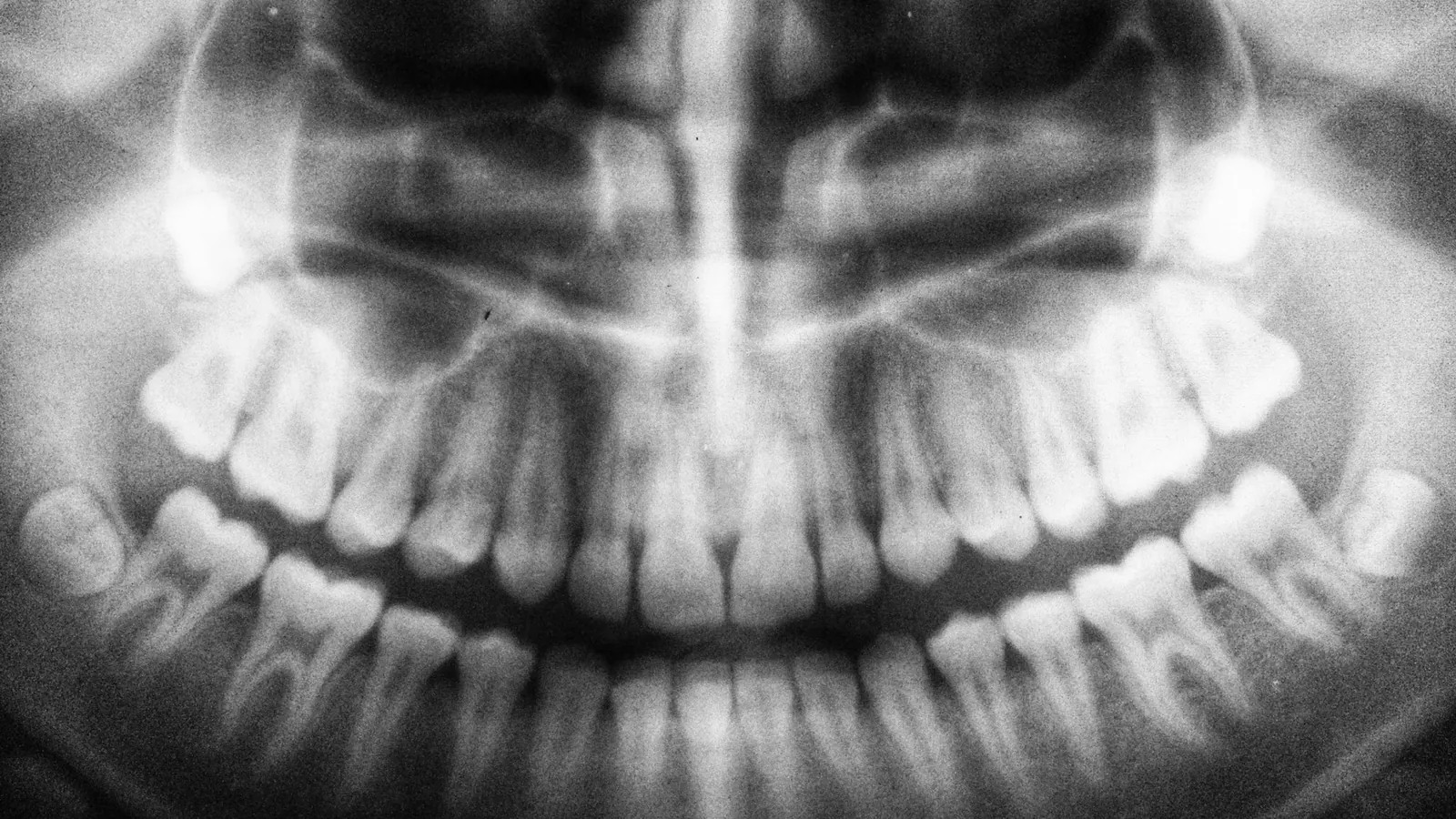
Who it is for
Who needs a sinus lift
A sinus lift is only for the upper back jaw. It is considered when your scan shows too little bone height there for the implant you need.
- Missing upper molars or premolars you want to replace with implants
- Upper back teeth that were lost a long time ago
- A sinus that has dropped lower into the space after tooth loss
- Bone loss from gum disease or infection in the upper jaw
- An upper back tooth coming out soon, with an implant planned
How it works
How is a sinus lift done?
The sinus sits just above the roots of your upper back teeth, and after those teeth are lost the bone there often thins. Dr. Abtin measures that bone on a cone beam CT scan and maps the sinus in 3D before deciding whether you need a lift and which approach fits.
3D scan of the sinus
A cone beam CT scan shows how much bone sits below the sinus floor, the shape of the sinus and the condition of its lining. This tells Dr. Abtin whether a lift is needed.
Choosing the approach
There are two common ways to reach the sinus floor: through the implant site itself when only a little extra height is needed, or through a small window in the side of the upper jaw when more bone is needed. Dr. Abtin explains which approach fits your case.
Raising the lining and grafting
The thin sinus lining is gently lifted, and graft material is placed in the new space beneath it. The gum is then closed over the site.
Healing, then the implant
The graft usually matures over several months. In some cases the implant is placed during the same visit; in others it waits until the new bone is ready.
Recovery
What is recovery like after a sinus lift?
Recovery often feels like a mix of a dental surgery and a mild sinus cold. Protecting the sinus in the first two weeks is the main goal.
Expect swelling of the cheek, mild bruising and perhaps a little blood from your nose. Use cold packs and keep your head raised when you rest.
Follow your written sinus instructions closely. They commonly include not blowing your nose, sneezing with your mouth open and skipping straws, smoking and heavy lifting, all to keep pressure off the sinus.
Swelling and congestion settle, and stitches dissolve or come out. Normal chewing on that side returns gradually.
The graft turns into bone that can support an implant. Your surgeon will tell you when the site is ready, based on an exam and imaging.
Call the office if you have heavy nosebleeds, a fever, worsening sinus pain or pressure, air or liquid passing between your mouth and nose, or any other concern. General after-surgery instructions.
What sedation is used for a sinus lift?
Many sinus lifts can be done under local anesthesia, sometimes with laughing gas (nitrous oxide) to help you relax. Because the side window approach takes longer, IV sedation is a common choice, and it lets you sleep through the procedure. The practice offers sedation options including IV sedation, and Dr. Abtin will review which fits your plan and health history.
About IV sedationDoes insurance cover a sinus lift?
Cost depends on the approach, how much graft material is needed, and whether the implant is placed at the same visit. Dental insurance may help with a sinus lift when it is part of implant care, depending on your plan. The office works with most dental and medical insurance plans and offers financing. Ask the team what your plan is likely to cover.
Insurance and financingFAQ
Questions about sinus lifts
Direct answers first. Your consultation covers the details of your own case.
What are the risks of a sinus lift?
The main risk is a small tear in the sinus lining, which can often be repaired during the same procedure. Swelling, sinus congestion and, less often, infection can also occur. Careful 3D planning and following your aftercare instructions help lower these risks.
Does a sinus lift hurt?
The procedure is done with the area numbed, and you can sleep through it with IV sedation, so you should not feel pain while it happens. Afterward, expect a few days of swelling and pressure similar to a sinus cold. Medication and cold packs help, and discomfort usually eases within a week.
Can the implant go in at the same time as the sinus lift?
Sometimes, yes. If there is enough bone to hold the implant steady, it can be placed during the lift. If the bone is very thin, the graft heals first and the implant follows months later. Your 3D scan guides that decision.
Will a sinus lift change my breathing or voice?
No, a sinus lift is not expected to change your breathing or your voice. The graft sits on the floor of the sinus, below the air space you breathe through. You may feel congested for several days while the area heals, and that usually passes on its own.
How is a sinus lift different from other bone grafts?
A sinus lift is a specific type of bone graft for the upper back jaw. Instead of adding bone to the outside of the ridge, it adds bone upward, into the space beneath a gently raised sinus lining. Other grafts, like ridge augmentation, rebuild width or height elsewhere in the jaw.
Further reading
Patient information from health organizations
General education from independent sources. It does not replace advice about your own case.
- Sinus augmentation for dental implantsAmerican Association of Oral and Maxillofacial Surgeons
- Bone graftsAmerican Association of Oral and Maxillofacial Surgeons
Related procedures
Often planned with sinus lifts
Single Dental Implants
Replace one tooth or a few with implants placed from a 3D virtual surgical plan built on your own scan.
Bone Grafting
Socket preservation and ridge augmentation to rebuild thin jawbone so it can support a future dental implant.
IV Sedation and Anesthesia
Local anesthesia, laughing gas and IV sedation, matched to your procedure, your health and how you feel.
Next step
Questions about a sinus lift? Ask first.
Call the office closest to you, or send a request and the team will call you back. If you have pain or an emergency, every attempt will be made to see you that day.
Monday to Saturday, 7:00 AM to 5:00 PM. Sunday closed.