Oral Pathology and Biopsies in Atlanta & Cumming. Answers for the spot you noticed.
Oral pathology is the diagnosis of lumps, sores, patches and growths in the mouth and jaws. If a spot has not healed in about two weeks, you should have it checked. Your surgeon examines it and may take a small tissue sample, called a biopsy, so a lab can tell you exactly what it is.
Who it is for
When a spot in your mouth should be checked
Most changes in the mouth are easy to see and feel, which makes early checks simple. Make an appointment if you notice any of these.
- A sore or ulcer that has not healed in about two weeks
- A white patch or a red patch that does not rub away
- A lump, bump or thickened area on the gums, cheek, tongue or lip
- A spot that bleeds easily or keeps changing in size or color
- Numbness, or new trouble chewing or swallowing, without a clear cause
- A shadow in the jaw that your dentist found on an X-ray
How it works
How is a spot in your mouth checked?
Dr. Abtin Shahriari, DMD, MPH, spends the first part of your visit listening: when you noticed the spot, whether it has changed, and what else is going on with your health. If a lesion involves the jaw bone, 3D imaging (cone beam CT) can show its size and position before anything is planned. Results and next steps are explained in plain words, the same way as for any other procedure here.
Exam and history
Dr. Abtin looks at and feels the area, checks the rest of your mouth and neck, and asks how long the spot has been there. Bring a list of your medications.
Imaging if bone is involved
If the concern sits inside the jaw, a 3D scan helps map it. Soft tissue spots usually do not need a scan.
The biopsy
Your surgeon numbs the area and removes a small piece of tissue, or sometimes the whole spot. A few stitches may be placed. Many biopsies take only a short visit.
Lab review
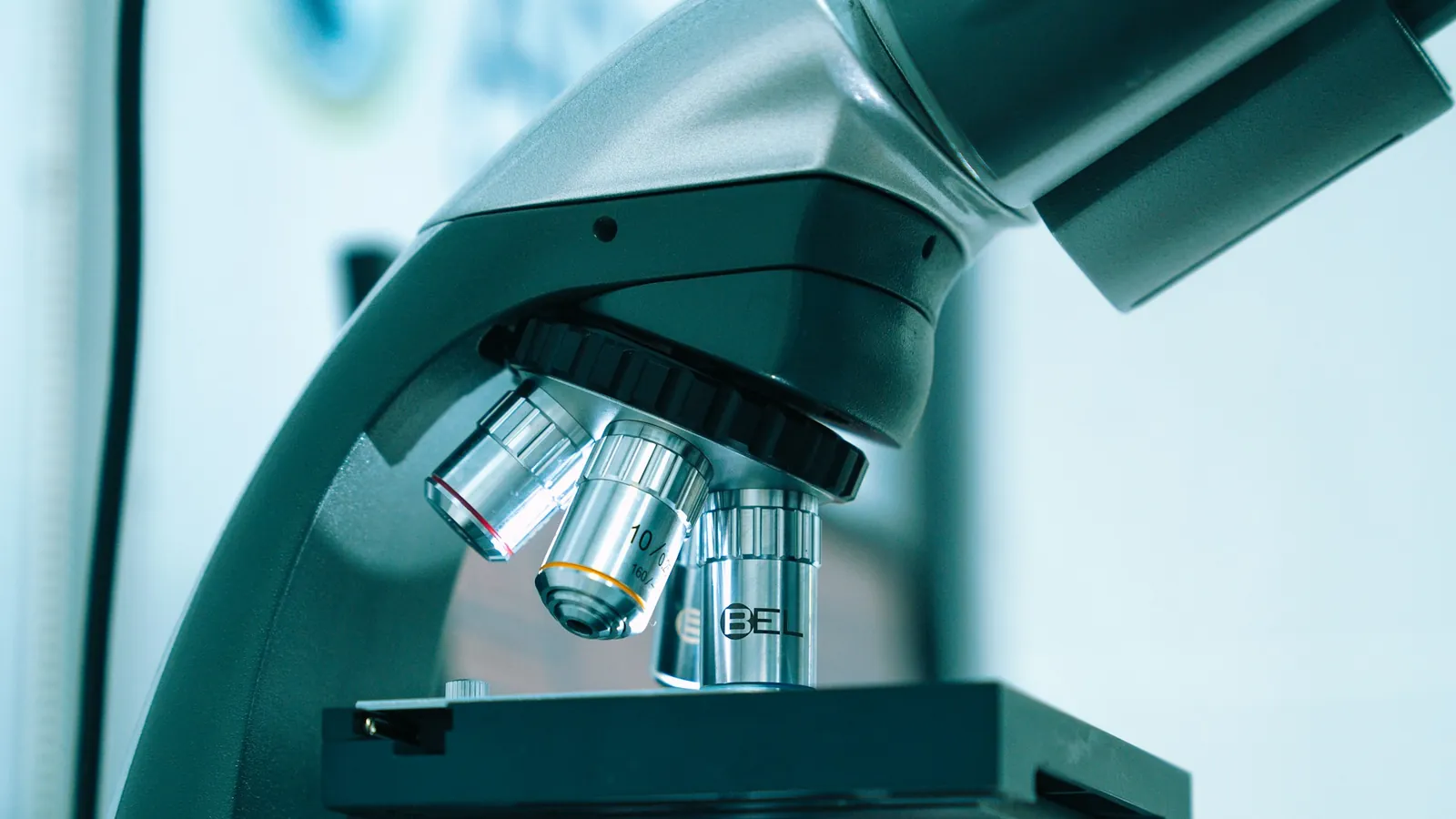
The tissue goes to a pathology lab, where a specialist examines it under a microscope and writes a report.
Results and next steps
The office shares your results and explains what they mean. Depending on the finding, the next step may be no treatment, a follow-up check, removal of the area, or a referral.
Recovery
What is recovery like after a biopsy?
A biopsy site is usually small, and most people go back to their normal day soon after. Your surgeon will give you written instructions for your specific site.
Expect some tenderness once the numbness fades. Eat soft, cool foods and avoid the area when you chew. Light oozing is common.
Soreness usually eases. Rinse gently as instructed and keep the area clean. Avoid spicy, crunchy or very hot foods.
The site typically heals over. Dissolving stitches fall out on their own. Your result visit or call often happens around this time.
Call the office if bleeding does not slow with gentle pressure, if swelling grows after the third day, if you have a fever, or if anything about healing worries you. General after-surgery instructions.
Do you need sedation for a biopsy?
Most biopsies are done with local anesthesia, so you are awake but the area is numb. If you feel anxious or the area is hard to reach, ask about laughing gas (nitrous oxide). For larger removals, Dr. Abtin may suggest sedation options including IV sedation.
About IV sedationDoes insurance cover an oral biopsy?
Because a biopsy diagnoses a possible medical problem, medical insurance often applies, and dental insurance may also play a part. The office works with most dental and medical insurance plans. Ask the team what your plan is likely to cover before the visit. The lab may bill separately for its report. Financing is available if you need it.
Insurance and financingFAQ
Questions about oral pathology and biopsies
Direct answers first. Your consultation covers the details of your own case.
How long should I wait before getting a mouth sore checked?
About two weeks is a sensible limit: if a sore, patch or lump has not healed by then, have it examined. Many sores from a bite or a sharp food heal within days. Ones that linger, grow or bleed easily deserve a professional look sooner rather than later.
Does an oral biopsy hurt?
You should feel pressure but not sharp pain during an oral biopsy, because the area is numbed first. Afterward the site is usually tender for a few days, similar to a cut inside your cheek. Over-the-counter pain relief is often enough, and your surgeon will tell you what to take.
How long do biopsy results take?
Biopsy results usually take several days to a couple of weeks, depending on the lab and the type of tissue. The office will tell you how and when you will hear back. If you have not heard within the time you were given, call to check.
Does a biopsy mean the doctor thinks I have cancer?
No, a biopsy does not mean your surgeon has reached any conclusion. It is the standard way to find out what a spot is, because many conditions look alike to the eye. The lab report gives a clear diagnosis, so the plan is based on facts instead of guesses.
Can I check my own mouth between visits?
Yes, a quick monthly look at your own mouth is a good habit. In good light, check your lips, gums, cheeks, the roof of your mouth and every side of your tongue, and feel your neck for lumps. Note anything new and call the office if it lasts about two weeks.
Further reading
Patient information from health organizations
General education from independent sources. It does not replace advice about your own case.
- Oral, head and neck pathologyAmerican Association of Oral and Maxillofacial Surgeons
- Oral pathology vs. oral cancerAmerican Association of Oral and Maxillofacial Surgeons
- Oral cancerNational Institute of Dental and Craniofacial Research (NIH)
Related procedures
Often planned with oral pathology and biopsies
IV Sedation and Anesthesia
Local anesthesia, laughing gas and IV sedation, matched to your procedure, your health and how you feel.
Tooth Extraction
Simple and surgical removal of damaged, infected or broken teeth, with socket grafting when you plan an implant later.
Bone Grafting
Socket preservation and ridge augmentation to rebuild thin jawbone so it can support a future dental implant.
Next step
Questions about a spot in your mouth? Ask first.
Book online, or call the office closest to you. If you have pain or an emergency, every attempt will be made to see you that day.
Prefer we call you? Send a request
Monday to Friday, 7:00 AM to 5:00 PM. Closed Saturday and Sunday.