
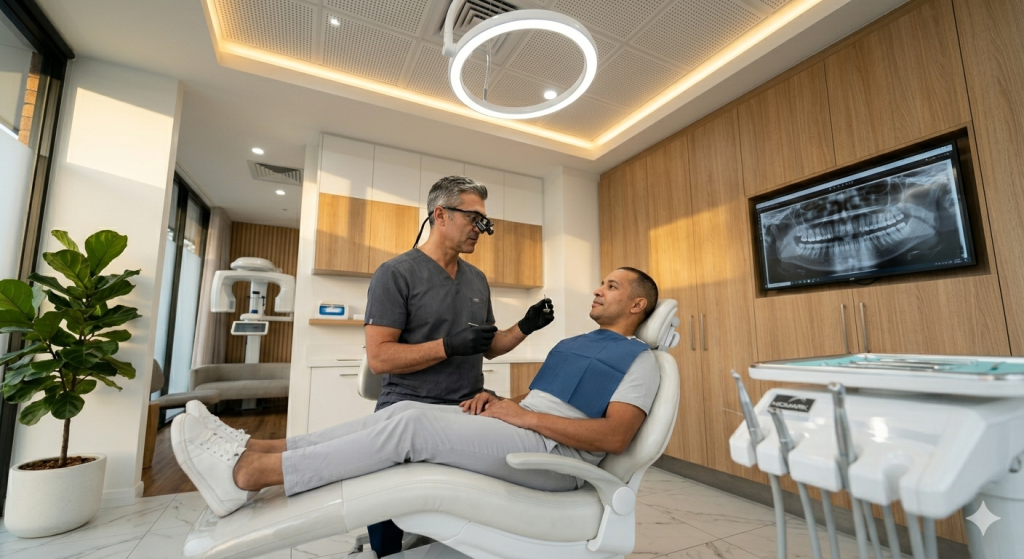
Wisdom teeth often arrive at the least convenient time. For many teens and adults, these third molars begin to appear in the late teenage years or early twenties, just as life gets busy with school, work, and family responsibilities. Sometimes they come in without much trouble. Other times, they cause crowding, swelling, discomfort, or repeated infections around the back of the mouth.
For patients searching for wisdom teeth extraction in Atlanta, GA, it is normal to have questions. Is removal really necessary? Will it hurt? How long does recovery take? What foods are safe afterward? Understanding the process can make the experience feel much less stressful.
This guide explains what patients can expect before, during, and after wisdom teeth removal in clear, everyday language. It is not a substitute for a personal exam or diagnosis. Anyone with pain, swelling, infection symptoms, or questions about treatment should consult a qualified dental professional or oral surgeon for individualized guidance.
What Are Wisdom Teeth?
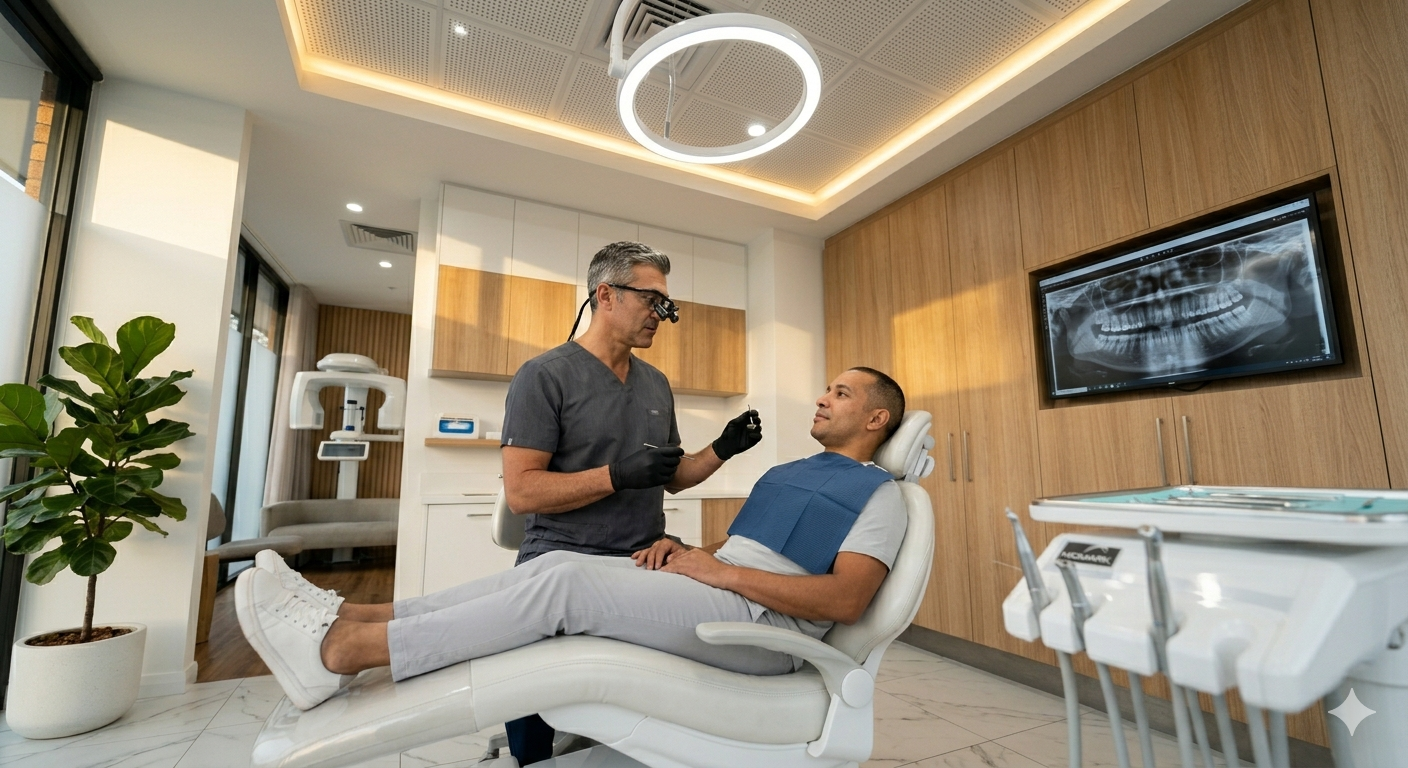
Wisdom teeth are the third set of molars, located all the way in the back of the mouth. Most people have four wisdom teeth, though some have fewer, and a few never develop them at all.
These teeth were more useful generations ago, when diets were tougher and tooth loss was more common. Today, many people simply do not have enough room in the jaw for wisdom teeth to grow in properly. When there is not enough space, a wisdom tooth may become trapped under the gums, grow at an angle, or push against neighboring teeth.
Why Wisdom Teeth May Need to Be Removed
Not every wisdom tooth needs extraction. Some come in straight, remain easy to clean, and do not cause problems. However, dental professionals may recommend removal when wisdom teeth create current issues or are likely to cause future concerns.
Common Reasons for Wisdom Teeth Extraction
- Impaction: The tooth is partly or fully trapped beneath the gums or jawbone.
- Pain or pressure: A wisdom tooth may press against nearby teeth or surrounding tissues.
- Swelling or infection: Partially erupted teeth can create gum pockets where bacteria collect.
- Crowding concerns: In some cases, wisdom teeth may contribute to pressure in the back of the mouth.
- Tooth decay: Wisdom teeth are hard to clean and may develop cavities.
- Gum disease: Bacteria around wisdom teeth can irritate the gums and surrounding bone.
- Cysts or damage to nearby roots: Though less common, impacted teeth can sometimes affect nearby structures.
A dental exam and X-rays help determine whether wisdom teeth should be monitored or removed. The recommendation depends on the tooth’s position, the patient’s symptoms, oral health, age, and overall risk factors.
Signs It May Be Time to Schedule an Evaluation
Wisdom tooth symptoms can be obvious, but they can also be subtle. Some patients feel nothing at all until a dentist spots a concern on X-rays. Others notice discomfort that comes and goes.
Patients should consider scheduling an evaluation if they notice:
- Pain or tenderness in the back of the mouth
- Swollen, red, or irritated gums near the molars
- Jaw stiffness or difficulty opening fully
- Bad breath or an unpleasant taste that does not go away
- Food getting trapped behind the last molars
- Recurring gum infections around a partially erupted tooth
- Pressure against nearby teeth
- Swelling in the jaw or cheek
Severe swelling, fever, trouble swallowing, difficulty breathing, or rapidly worsening pain should be treated as urgent concerns. A clinician should evaluate these symptoms promptly.
What to Expect at a Wisdom Teeth Consultation in Atlanta, GA
A wisdom teeth consultation is designed to answer the patient’s questions and create a safe, personalized plan. For many people, the visit is the most reassuring part of the process because it replaces uncertainty with clear information.
During the appointment, the dental team may:
- Review the patient’s medical and dental history
- Ask about symptoms, medications, allergies, and previous procedures
- Take or review dental X-rays or 3D imaging, if appropriate
- Evaluate the position of the wisdom teeth
- Discuss whether removal is recommended
- Explain anesthesia or sedation options
- Review expected recovery and aftercare instructions
- Provide cost and insurance information when available
Patients should feel comfortable asking questions. A good consultation should help them understand the “why” behind the recommendation, not just the procedure itself.
How Wisdom Teeth Extraction Works
Wisdom teeth extraction varies from person to person. A fully erupted tooth may be simpler to remove, while an impacted tooth may require a more involved approach. The goal is always to remove the tooth safely while keeping the patient as comfortable as possible.
Before the Procedure
The dental team provides instructions based on the planned anesthesia or sedation. Patients may be asked to avoid eating or drinking for a certain number of hours if sedation is planned. They may also need a responsible adult to drive them home.
It is important to share all medications, supplements, medical conditions, and allergies before the appointment. This helps the clinician plan safely and reduce the risk of complications.
During the Procedure
The area is numbed so the patient should not feel sharp pain during the extraction. Depending on the case and the patient’s comfort level, sedation options may also be discussed. The clinician then removes the wisdom tooth. If the tooth is impacted, a small opening in the gum may be needed, and the tooth may be sectioned into smaller pieces for easier removal.
Once the tooth is removed, the area is cleaned. Stitches may be placed if needed, and gauze is used to help a clot form. That clot is important because it protects the healing socket.
After the Procedure
Most patients rest at home after the appointment. Some grogginess is normal if sedation was used. Mild bleeding, swelling, and soreness are also common in the first few days. The dental team provides written aftercare instructions so patients know how to protect the healing area.
Comfort and Sedation Options
Many patients feel nervous about wisdom teeth extraction, and that is completely understandable. Modern oral surgery focuses heavily on patient comfort. The right option depends on the patient’s health, anxiety level, procedure complexity, and clinician’s recommendation.
Common comfort options may include:
- Local anesthesia: Numbs the treatment area while the patient remains awake.
- Nitrous oxide: Sometimes called laughing gas, it can help patients feel more relaxed.
- Oral sedation: Medication taken before the procedure may reduce anxiety.
- IV sedation: Medication delivered through a vein can create a deeper level of relaxation for appropriate candidates.
Not every option is right for every patient. A clinician will review health history, safety considerations, and transportation requirements before recommending sedation.
Wisdom Teeth Recovery: What Is Normal?
Recovery is different for each patient, but many people return to normal routines within several days. More complex extractions may require a longer healing period. Swelling usually peaks around the second or third day and then begins to improve.
Common short-term symptoms can include:
- Mild to moderate soreness
- Jaw stiffness
- Swelling in the cheeks or jaw
- Minor bleeding during the first day
- Bruising in some cases
- Tiredness, especially after sedation
Patients should follow the specific instructions given by their dental team, since recommendations may vary based on the procedure and medical history.
Tips for a Smoother Recovery
- Rest for the first 24 hours, or longer if advised.
- Use gauze as directed and change it gently.
- Apply cold compresses during the early swelling stage if recommended.
- Take prescribed or recommended medications exactly as instructed.
- Drink plenty of fluids, but avoid using a straw.
- Eat soft foods such as yogurt, applesauce, smoothies with a spoon, mashed potatoes, eggs, or soup that is not too hot.
- Avoid smoking, vaping, and alcohol during early healing unless the clinician gives different instructions.
- Do not rinse forcefully or spit aggressively in the first 24 hours.
- Resume brushing carefully, avoiding direct irritation to the surgical areas.
What Is Dry Socket?
Dry socket can happen when the protective blood clot in the extraction site becomes dislodged or dissolves too soon. This may expose the bone and cause significant pain, often a few days after the procedure. Avoiding straws, smoking, forceful rinsing, and vigorous activity early in recovery can help reduce the risk.
If pain suddenly worsens after initially improving, or if there is a bad taste or odor from the extraction site, the patient should contact the dental office for guidance.
What to Eat After Wisdom Teeth Removal
Food choices matter during recovery. Soft, easy-to-chew foods help patients stay nourished without disturbing the healing sites.
Good Early Options
- Applesauce
- Greek yogurt
- Mashed potatoes
- Scrambled eggs
- Oatmeal that has cooled
- Broth or lukewarm soup
- Pudding
- Soft pasta
- Protein shakes sipped carefully without a straw
Foods to Avoid at First
- Crunchy chips or crackers
- Nuts and seeds
- Popcorn
- Spicy foods that may irritate the area
- Very hot foods or drinks
- Sticky candy
- Foods with small grains that can lodge in the socket
As healing progresses, patients can gradually return to more normal foods as comfort allows and as instructed by their clinician.
How Much Does Wisdom Teeth Extraction Cost?
The cost of wisdom teeth extraction in Atlanta, GA can vary. Factors may include the number of teeth removed, whether the teeth are impacted, the type of imaging needed, the sedation option, insurance coverage, and the complexity of the procedure.
A simple extraction usually costs less than the removal of a deeply impacted wisdom tooth. Sedation, if selected or recommended, may also affect the overall fee. Because every mouth is different, the most accurate estimate comes after an evaluation and treatment plan.
Patients with dental insurance should ask whether wisdom teeth removal, imaging, sedation, and consultations are covered. The office team can often help explain benefits and estimated out-of-pocket costs.
Choosing a Provider for Wisdom Teeth Extraction in Atlanta, GA
Choosing the right provider can make the experience feel more comfortable from start to finish. Patients may want to look for a clinician who regularly evaluates and removes wisdom teeth, explains options clearly, and prioritizes safety and comfort.
When comparing providers, patients can ask:
- What type of imaging is recommended for this case?
- Are the wisdom teeth impacted?
- What anesthesia or sedation options are available?
- How should the patient prepare before the appointment?
- What should recovery look like?
- Who should the patient call after hours if there is a concern?
- What costs are expected, and what may insurance cover?
Dr. Abtin Shahriari’s website, OralSurgeonAtlanta.com, can be a helpful starting point for patients who want to learn more about oral surgery care and request guidance from a dental professional in the Atlanta area.
Frequently Asked Questions About Wisdom Teeth Extraction
What age is best for wisdom teeth removal?
Many wisdom teeth are evaluated during the teenage years or early adulthood, often when roots are still developing. However, there is no single perfect age for everyone. Some adults need wisdom teeth removed later because of pain, infection, decay, or gum problems. A dental evaluation and imaging help determine timing.
Does wisdom teeth extraction hurt?
The treatment area is numbed during the procedure, and sedation may be available for appropriate patients. Pressure is common, but sharp pain should not be expected during the extraction. Soreness afterward is normal and can usually be managed with the instructions and medications recommended by the clinician.
How long does recovery take?
Many patients feel noticeably better within a few days, but full gum and bone healing takes longer. Recovery time depends on the number of teeth removed, impaction level, age, overall health, and how closely aftercare instructions are followed.
Can a patient go back to work or school the next day?
Some patients return to light activities within a day or two, while others need more rest, especially after sedation or more complex extractions. The clinician can provide specific guidance based on the procedure and the patient’s responsibilities.
Are all four wisdom teeth usually removed at once?
Often, yes, especially when all four teeth are problematic or likely to cause issues. Removing them in one visit can reduce the need for multiple recovery periods. Still, the best approach depends on the patient’s health, comfort level, tooth position, and treatment plan.
What happens if wisdom teeth are not removed?
If wisdom teeth are healthy, fully erupted, easy to clean, and not causing problems, they may simply be monitored. If they are impacted, infected, decayed, or damaging nearby teeth, leaving them untreated may increase the risk of future complications. A dental professional can explain the patient’s specific risks.
When should someone call the office after extraction?
Patients should call if they experience heavy bleeding that does not improve with pressure, worsening pain after initial improvement, fever, increasing swelling, pus, difficulty swallowing, or any symptom that feels concerning. Emergency symptoms such as trouble breathing require immediate medical attention.
A Calm, Informed Approach to Wisdom Teeth Care
Wisdom teeth can feel intimidating, but the process is much easier to navigate with the right information and a supportive dental team. An evaluation can clarify whether removal is necessary, what type of procedure may be involved, and how to prepare for a smooth recovery.
For patients considering wisdom teeth extraction in Atlanta, GA, the next step is simple: schedule a consultation, bring questions, and review the options with a qualified clinician. A personalized plan can help protect oral health while keeping comfort and safety at the center of care.