
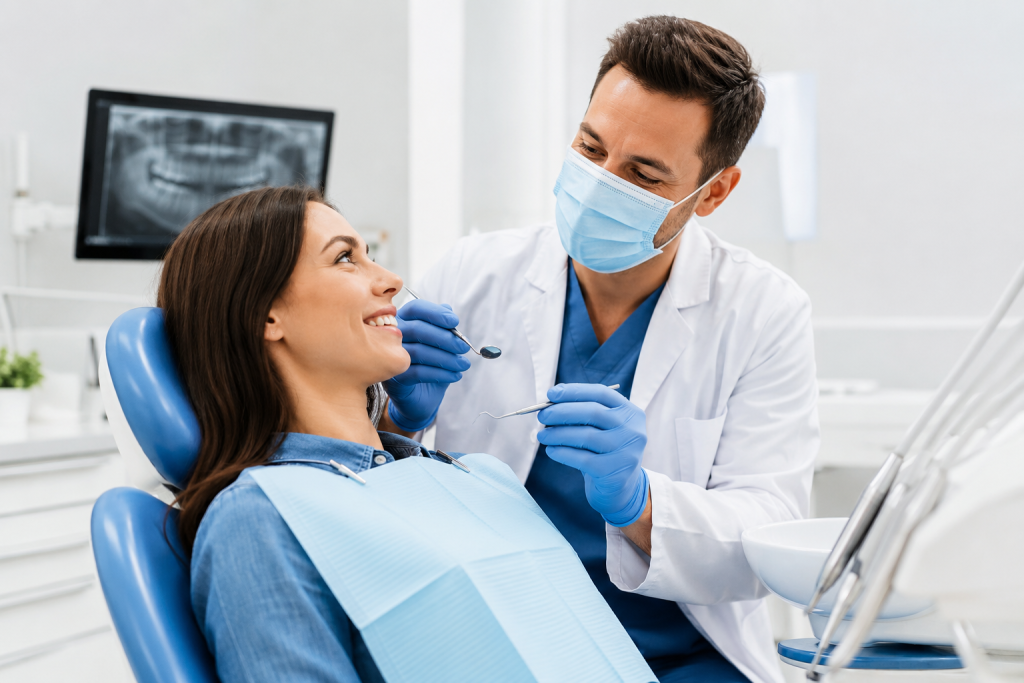
If you’re considering bone grafting in Atlanta to restore jaw strength before implants or to repair bone loss, this article explains what to expect and how modern options can help. Bone grafting can rebuild lost jawbone so implants fit securely and your smile looks and functions like before.
They will cover why jawbone loss happens, the common graft types used, what the procedure and recovery involve, and how to choose a trusted Atlanta specialist who uses current technology. Expect clear explanations, patient-centered tips for comfort and healing, and practical next steps for scheduling a consultation.
Understanding Bone Loss in the Jaw
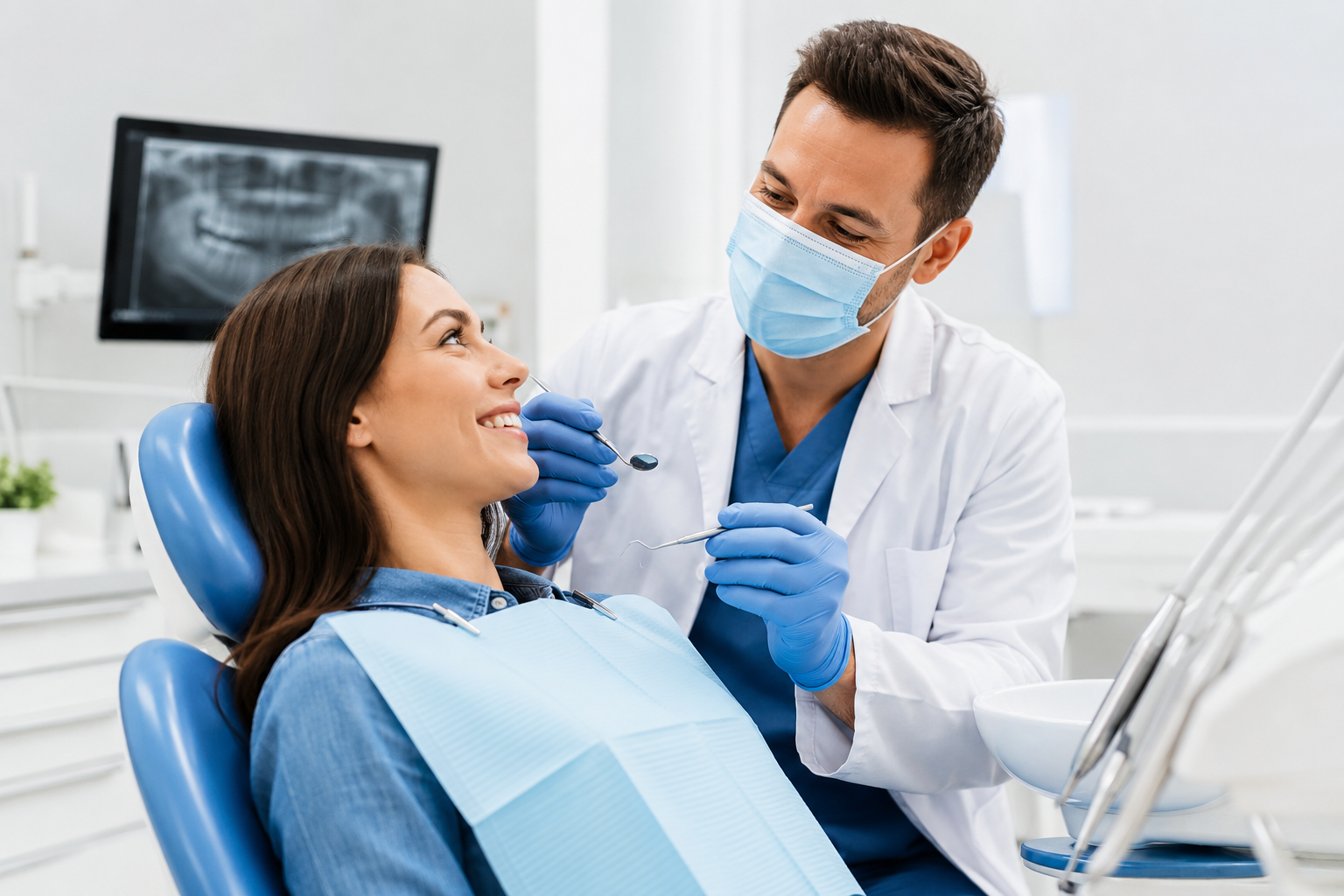
Jawbone loss reduces bone height and width where teeth once provided stimulation. It changes how dentures, implants, and facial structure perform and appear.
Causes of Jawbone Deterioration
Tooth loss is the most common cause: when a tooth is lost and not replaced, the alveolar bone that supported it stops receiving the mechanical forces of chewing and begins to resorb. Periodontal (gum) disease destroys the supporting bone through chronic infection and inflammation; untreated periodontitis can cause progressive bone breakdown around multiple teeth. Long-term denture wear that does not fit well places uneven pressure on the ridge and accelerates resorption. Systemic factors such as osteoporosis, smoking, radiation therapy to the head or neck, and uncontrolled diabetes reduce bone density or impair healing, increasing the rate of jawbone loss. Trauma or congenital defects can create localized bone defects that, left untreated, fail to regenerate.
Signs and Symptoms to Watch For
Early jawbone loss can be subtle. Patients may notice loose teeth, shifting teeth, or gaps forming between teeth that were once stable. Changes in denture fit—new slippage, sore spots, or the need for frequent relines—often indicate ridge resorption. Facial changes emerge over time: a collapsed bite, narrower lower face, and deeper lines around the mouth can signal significant bone reduction. Pain or swelling around a tooth, particularly with gum recession or pus, suggests active infection and possible bone involvement. Clinicians confirm bone loss with dental X-rays, cone-beam CT scans, and clinical measurements of pocket depth and ridge dimensions.
Impact on Oral Health and Appearance
Bone loss compromises tooth support, increasing the risk of tooth mobility and eventual tooth loss, which further accelerates resorption in a vicious cycle. For restorative work, inadequate bone volume limits options: conventional dental implants may be impossible without augmentation, and denture stability declines as the ridge diminishes. Function suffers—chewing efficiency drops and food choices may narrow, affecting nutrition. Aesthetics change as the lower third of the face loses vertical height, producing a sunken appearance and deeper nasolabial folds. Reconstructive procedures like bone grafting, sinus lifts, and ridge augmentation restore volume, support implants, and improve both function and facial contour when planned based on 3D imaging and individual health factors.
Why Bone Grafting May Be Needed
Bone grafting supports predictable dental care by rebuilding the jaw where bone is missing and creating a stable base for restorations. It addresses problems from tooth loss, periodontal disease, trauma, or long-term denture wear to restore function and appearance.
Preparing for Dental Implants
Bone grafting often precedes implant placement when the jaw lacks sufficient width or height to hold an implant securely. If tooth extraction, infection, or long-term tooth loss has reduced bone volume, grafting increases bone mass so implants integrate properly and resist chewing forces.
Clinicians choose graft sources—autograft (patient’s bone), allograft (donor bone), xenograft (usually bovine), or synthetic materials—based on patient health, anatomy, and treatment timeline. Each option has trade-offs in healing time, volume stability, and cost.
The procedure can be simultaneous with an implant or staged weeks to months before implant surgery. Proper imaging (CBCT scans) and planning predict how much grafting is needed and whether membranes or growth factors will improve outcomes.
Restoring Jaw Structure After Tooth Loss
When a tooth is lost, the alveolar ridge that supported it begins to resorb, often within months. Bone grafting restores ridge height and width to recreate natural contours for a healthier bite and a better-looking smile.
For single-tooth sites, a socket preservation graft placed at extraction minimizes collapse of the socket and preserves soft-tissue contours. For multiple adjacent missing teeth, block grafts or ridge augmentation rebuild larger defects to allow bridgework or implant-supported restorations.
Dental teams consider prosthetic goals—esthetic zone vs. posterior chewing area—when designing the graft. They also assess soft-tissue health since adequate gum tissue supports long-term graft success and final restoration aesthetics.
Addressing Bone Deficiency from Gum Disease
Advanced periodontal disease destroys the bone around teeth, creating defects that compromise tooth stability and increase tooth loss risk. Bone grafting can help regenerate lost bone, reduce pocket depths, and improve periodontal support.
Treatment includes thorough cleaning (scaling and root planing), possibly surgical access, then placing bone graft material into bony defects. Clinicians may add barrier membranes or biologic modifiers (e.g., enamel matrix derivative, growth factors) to enhance regeneration.
Success depends on infection control and patient habits—smoking and poor oral hygiene reduce healing rates. Regular periodontal maintenance and targeted hygiene at treated sites support long-term graft survival and help preserve natural teeth when possible.
Types of Bone Grafting Treatments
Bone grafting restores jaw volume and support for implants, bridges, and natural tooth roots. Each technique targets a specific problem — preserving the socket after extraction, lifting the sinus floor to gain vertical height, or rebuilding a thin or collapsed ridge.
Socket Preservation
Socket preservation fills the tooth socket immediately after extraction to prevent bone loss and maintain ridge shape. The clinician places graft material — commonly freeze-dried bone allograft (FDBA) or xenograft — into the empty socket, then covers it with a resorbable collagen membrane to stabilize the graft and protect the clot.
This procedure minimizes the need for larger grafts later and preserves soft-tissue contours for future crowns or implants. Healing typically takes 3–6 months before implant placement. Patients can expect mild swelling and routine pain control; clinicians give antibiotic and postoperative care instructions to reduce complications.
Advantages include reduced bone resorption and better esthetic outcomes, especially in the anterior (front) teeth. It suits patients who plan implants soon after extraction or want to avoid extensive ridge augmentation later.
Sinus Lift Procedures
A sinus lift (maxillary sinus augmentation) increases vertical bone height in the upper posterior jaw when the sinus floor is too close to the alveolar ridge. The surgeon creates a window in the lateral maxillary wall or uses a crestal approach, gently elevates the Schneiderian membrane, and places graft material beneath it — typically allograft, xenograft, or a mix with autograft.
This added height allows standard-length implants where only short implants or angulated options would otherwise fit. Healing ranges from 4 to 9 months, depending on graft type and volume. Risks include sinus membrane perforation and temporary sinusitis; experienced clinicians use CBCT imaging and careful technique to minimize these.
Patient selection considers sinus anatomy, smoking status, and systemic health. Preoperative imaging and planning clarify how much augmentation the case requires and whether simultaneous implant placement is feasible.
Ridge Augmentation
Ridge augmentation rebuilds horizontal and/or vertical bone loss along the jaw to restore form and function for implants, dentures, or esthetics. Techniques vary: guided bone regeneration (GBR) with barrier membranes and particulate grafts, block grafts harvested from the patient’s chin or ramus, or titanium mesh scaffolds for predictable contouring.
The choice depends on defect size and location. GBR with particulate grafts and a resorbable membrane suits moderate defects, while block grafts provide substantial volume for severe resorption. Healing time ranges from 4 to 9 months; clinicians monitor for membrane exposure and infection during recovery.
Successful outcomes rely on precise flap management, tension-free closure, and good oral hygiene. Ridge augmentation improves implant positioning, prosthetic outcomes, and smile symmetry when performed with careful planning and patient cooperation.
What to Expect During the Procedure
Patients will meet the surgeon, confirm the treatment plan, and receive clear instructions about anesthesia, graft type, and post-op care. They should expect measured steps in the operatory, focused comfort measures, and a realistic timeline for bone integration and recovery.
Step-by-Step Overview
The surgeon begins by reviewing imaging—CBCT or panoramic X-rays—to mark exact graft dimensions and donor sites. Local antiseptic rinse and sterile draping follow.
Incisions are made to access the deficient bone. If using an autograft, a small harvest incision (often from the chin or ramus) is performed; for allografts or xenografts, graft material is prepared on a sterile tray.
The graft is shaped to fit the defect and secured with titanium screws or resorbable membranes to prevent movement. Clinicians often add a barrier membrane and, when needed, particulate graft plus a collagen matrix to fill irregular spaces.
Sutures close both the donor and recipient sites. The team confirms hemostasis and provides a protective dressing. The whole in-office procedure typically lasts 45–120 minutes depending on complexity and whether extractions or implant placement occur at the same visit.
Sedation and Comfort Options
Local anesthesia (lidocaine with epinephrine) numbs the area; patients feel pressure but should not feel sharp pain. Dentists commonly combine local blocks with nitrous oxide for mild sedation to reduce anxiety.
For patients with significant fear or longer procedures, oral sedatives (triazolam or similar) or IV sedation (propofol or midazolam administered by a trained anesthetist) are available. A pre-op medical history and vitals check determine eligibility for deeper sedation.
Post-op pain is usually managed with a short course of NSAIDs (ibuprofen 600 mg every 6–8 hours as needed) and, if necessary, a limited opioid prescription for 48–72 hours. Cold packs, a soft diet, and head elevation also reduce swelling and discomfort.
Timeline for Healing and Recovery
Initial soft-tissue healing occurs in 7–14 days; sutures are typically removed or dissolve within this window. Patients can expect mild swelling and bruising that peaks at 48–72 hours and gradually subsides over one to two weeks.
Bone integration takes longer: radiographic evidence of graft consolidation usually appears between 3 and 6 months. If the graft supports a dental implant, clinicians often wait 4–6 months before implant placement in the grafted site, though some faster protocols exist depending on bone quality.
Follow-up visits occur at 1 week, 4–6 weeks, and at three-month intervals to monitor integration. The clinician will advise on oral hygiene precautions—avoid probing the surgical site, use chlorhexidine rinse if prescribed, and maintain a soft-food diet until cleared.
Choosing the Right Specialist in Atlanta
Selecting a provider for bone grafting involves checking specific credentials, preparing focused questions, and valuing practitioners with Atlanta-area experience and referral networks. Readers should prioritize board certification, surgical training, a clear patient-care process, and a team accustomed to local dental specialists and insurance realities.
Credentials to Look For
Look for a surgeon who is a board-certified oral and maxillofacial surgeon (ABOMS) or a periodontist with board certification from the American Board of Periodontology. These certifications indicate completed residency training, surgical competency, and ongoing maintenance of skills.
Confirm hospital privileges for inpatient or sedation cases; this shows the surgeon meets institutional standards. Review fellowship training in implantology or reconstructive surgery when complex grafts (block grafts, zygomatic implants) are planned.
Check for membership in professional organizations like the American Association of Oral and Maxillofacial Surgeons (AAOMS) or the Academy of Osseointegration. Membership alone isn’t proof of skill, but it suggests engagement with current standards and continuing education.
Read before-and-after photos and verified patient reviews focusing on graft success, healing time, and complication management. Ask for complication rates and how the practice handles graft failures or infections.
Questions to Ask Your Provider
Ask about the surgeon’s specific experience with the graft type you need: small ridge augmentation, sinus lift, or large block grafts. Request the number of those procedures performed in the past year and typical success metrics.
Clarify anesthesia options and who administers it. Request information on sedation level, monitoring standards, and emergency protocols. Also ask whether the surgeon performs sedation in-office or refers patients to an ambulatory surgery center.
Discuss the expected timeline: graft placement, integration period, implant placement (if applicable), and follow-up schedule. Ask how often radiographic checks occur and what signs of complications warrant immediate contact.
Get a clear cost breakdown: surgical fees, graft material charges (autograft, allograft, xenograft, synthetic), imaging, anesthesia, and follow-up visits. Ask about payment plans, estimates for insurance coverage, and referrals for second opinions.
Benefits of Local Expertise
Choosing a specialist who regularly practices in Atlanta offers practical advantages. They’ll understand regional referral patterns, common local dental insurance plans, and customary timelines with nearby restorative dentists.
Local specialists often have established relationships with Atlanta-area prosthodontists, periodontists, and general dentists. This network smooths coordination when transitioning from grafting to implant placement and restorative work.
Familiarity with nearby imaging centers and labs speeds preoperative planning and reduces wait times for CT scans or custom graft guides. Local practices also typically provide faster access for postoperative visits or urgent care.
Finally, local reputation matters. Patients can visit offices, meet staff, and speak with former patients or referring dentists in person. That direct access helps gauge bedside manner, clinic cleanliness, and the team’s approach to patient comfort and pain control.
Modern Technology in Bone Grafting
Modern practices in Atlanta use precise imaging and new grafting materials to improve outcomes and reduce recovery times. Patients benefit from detailed surgical planning and options that match their anatomy and healing needs.
Advanced Imaging for Accurate Planning
Clinics use cone beam computed tomography (CBCT) to capture 3D scans of the jaw, teeth, and sinuses with high resolution and comparatively low radiation. Surgeons review these images to measure bone volume, identify nerve pathways, and map sinus anatomy before any grafting procedure.
Software converts scans into digital models for virtual surgical planning. This lets the clinician simulate graft size, implant placement, and fixation steps, reducing intraoperative surprises. In many practices, guided surgical stents based on the plan ensure implants and grafts align exactly with the preoperative model.
Some offices integrate intraoral scanners to create precise soft-tissue and tooth surface models. Combining CBCT and surface scans improves prosthetic-driven planning so the graft supports the final crown or denture, not just raw bone contours.
Innovative Grafting Materials
Autografts — bone taken from the patient’s own body — remain the gold standard for biological compatibility and faster integration. Donor sites are often the chin, ramus, or hip, chosen based on required volume and patient health.
Allografts (processed human donor bone) and xenografts (bovine-derived) provide off-the-shelf structural support without a second surgical site. They carry low rejection risk after processing and are commonly used for ridge preservation and socket grafting.
Synthetic options like beta-tricalcium phosphate and bioactive glass offer predictable resorption rates and avoid disease transmission. Many grafts now include growth factors such as platelet-rich fibrin (PRF) or recombinant human BMP to stimulate bone formation and speed healing.
Clinicians often use membrane barriers and fixation screws to stabilize the graft and protect it from soft-tissue ingrowth. Material choice depends on defect size, desired healing time, and the planned prosthetic outcome, all discussed with the patient during treatment planning.
Caring for Yourself After Surgery
Expect swelling, mild bleeding, and some soreness for the first few days. Following specific instructions on medications, oral hygiene, diet, and activity speeds healing and reduces complications.
Post-Procedure Instructions
- Bleeding control: Bite gently on gauze for 30–45 minutes; replace gauze as needed. If bleeding persists after two hours, call the office.
- Pain management: Take prescribed analgesics on schedule for the first 48 hours; use ibuprofen 400–600 mg every 6–8 hours unless contraindicated. Avoid aspirin for 72 hours unless doctor advises otherwise.
- Swelling and cold therapy: Apply an ice pack to the cheek 20 minutes on, 20 minutes off for the first 24–48 hours. Switch to warm compresses after 48 hours if swelling persists.
- Oral hygiene: Do not rinse vigorously for 24 hours. Begin gentle rinses with 0.12% chlorhexidine or warm saline (1/2 tsp salt in 8 oz water) 24 hours after surgery, three times daily. Brush teeth carefully, avoiding the graft site.
- Medication reminders: Complete any prescribed antibiotics exactly as directed. Report signs of rash, severe nausea, or diarrhea.
- When to call the office: Severe uncontrolled bleeding, fever over 101.5°F (38.6°C), increasing pain after 72 hours, or signs of wound infection (pus, spreading redness).
Tips for a Smooth Recovery
- Diet and nutrition: Stick to soft foods for 7–14 days—yogurt, mashed potatoes, scrambled eggs, and smoothies are good choices. Avoid hot liquids, nuts, seeds, and crunchy foods that can dislodge graft material.
- Activity and rest: Rest the day of surgery and avoid strenuous exercise for 1–2 weeks. Heavy lifting or bending can increase bleeding and swelling. Short walks are fine and help circulation.
- Smoking and alcohol: Refrain from smoking and vaping for at least 2 weeks, as nicotine impairs blood flow and bone healing. Avoid alcohol while taking antibiotics or pain meds.
- Follow-up care: Attend the scheduled 1–2 week postoperative visit for suture check and the 3–6 month follow-up for graft evaluation. X-rays or CBCT may be taken to monitor bone integration.
- Practical aids: Use a soft-bristled toothbrush, extra pillows to keep the head elevated while sleeping, and pre-prepared soft meals to reduce stress during the first week.
- Questions or concerns: Contact the clinic for any unusual drainage, persistent bad taste, or if a dental implant will be placed—timing often depends on graft stability.
Long-Term Benefits and Outcomes
Bone grafting in Atlanta often restores the jaw’s structure, enabling stable support for dental implants and bridges. Patients typically experience improved chewing function and clearer speech as the graft integrates.
Successful grafts reduce future bone loss, protecting adjacent teeth and preserving facial contours. Over months to a year, the new bone becomes strong enough for implant placement or conventional restorations.
Many clinicians report high long-term success rates when patients follow post-op care and maintain oral hygiene. Smoking, uncontrolled diabetes, and poor oral hygiene can reduce success, so risk management matters.
Patients usually find that grafting improves comfort and confidence, especially when implants replace missing teeth. The procedure also helps prevent the sunken appearance that can accompany long-term tooth loss.
Typical follow-up includes periodic imaging and exams to track bone maturity and implant readiness. Recovery timelines vary; some patients proceed to implants in a few months, while others need longer depending on graft size and healing.
Common measurable outcomes
- Increased bone volume and density
- High implant survival rates at 5–10 years with proper care
- Improved prosthetic stability and patient satisfaction
They should discuss expectations, timelines, and lifestyle factors with their dentist or oral surgeon. A consultation can clarify personalized benefits and next steps for long-term oral health.
Taking the Next Step Toward a Healthy Smile
They can schedule a consultation to review bone grafting options and how those fit with dental implants or other restorative plans. A clear treatment timeline and cost estimate help patients make informed choices.
The dental team will explain what to expect before, during, and after the procedure using plain language. Comfort measures and modern anesthesia options are discussed so patients feel at ease.
Patients should bring any prior dental records and a list of medications to the appointment. This helps the clinician assess healing ability and choose the right graft type.
Common questions often cover recovery time, success rates, and implant timing. Honest answers reduce anxiety and set realistic expectations.
Benefits, risks, and alternatives are reviewed side-by-side to support shared decision-making. Visual aids or models may be used to clarify anatomy and steps.
Insurance coverage and financing options can be explored with the office staff. Many practices offer payment plans or coordinate with insurers to minimize surprises.
If a second opinion is desired, the practice usually encourages it and will share records. Trusting the care team matters for long-term results.
Call the office or use the online form to request an appointment, ask about a virtual consult, or get pre-visit instructions. They welcome questions and will guide patients toward the next appropriate step.
Frequently Asked Questions
This section answers common patient concerns about cost, timing, recovery, provider choice, implant planning, and risks. It provides clear, practical details to help patients decide when to seek a consult and what to expect from bone grafting in Atlanta.
How much does a bone graft typically cost, and what factors can change the price?
Bone grafts in Atlanta commonly range from $300 to $3,000 depending on scope. A small socket graft after extraction sits at the low end, while larger grafts for ridge augmentation or sinus lifts push toward the high end.
Factors that change price include the graft material (autograft, allograft, xenograft, or synthetic), the graft size and location, whether a sinus lift is needed, use of membranes or growth factors, imaging and lab fees, and whether a specialist (oral surgeon or periodontist) performs the procedure. Insurance may cover part of the cost for medically necessary grafts, but cosmetic or implant-related grafts often have limited coverage.
Is it ever too late to get a bone graft if I’ve been missing a tooth for years?
It is rarely too late to get a bone graft after long-term tooth loss. Bone resorbs over time, but grafting and modern techniques can rebuild adequate volume for implants or prosthetics in most cases.
Severe atrophy may require staged procedures or larger grafts, and treatment planning usually starts with a CBCT scan to measure bone volume. A consultation identifies realistic outcomes and timing based on current bone levels and overall oral health.
Is bone grafting considered major surgery, and what is recovery usually like?
Bone grafting ranges from minimally invasive to moderately invasive surgery depending on extent. Simple socket grafts often heal in a few weeks with mild discomfort; larger block grafts or sinus lifts involve more recovery time and possible swelling.
Typical recovery includes pain control with prescribed or over-the-counter medications, a soft-food diet for several days, and avoiding smoking. Most patients return to normal activity within a week for minor grafts and within two to six weeks for larger procedures, while full bone integration can take three to nine months before implant placement.
Can a general dentist perform a bone graft, or should I see a specialist?
Many general dentists with advanced training perform routine socket grafts and smaller augmentations. Complex cases—extensive ridge augmentation, sinus lifts, or when bone harvesting from the patient is necessary—are often referred to oral surgeons or periodontists.
Patients should ask about the clinician’s experience, number of procedures performed, and before-and-after cases. Choosing a provider who offers clear imaging, sedation options, and coordinated implant planning improves predictability.
How do I know if I need a bone graft before getting a dental implant?
A CBCT scan and clinical exam determine the need for a bone graft before implant placement. Insufficient bone width or height, proximity to the sinus or nerve, and previous infection or trauma commonly indicate grafting.
If the scan shows less than the minimum bone dimension for the planned implant size, the clinician will recommend augmentation options and timelines. Sometimes a staged approach places the graft first and the implant after healing; other times simultaneous placement is possible.
What are the most common risks or complications, and how can they be prevented?
Common risks include infection, graft failure or partial loss, prolonged swelling, and sensation changes if nerves are near the site. Sinus membrane perforation is a specific risk for upper jaw grafts and sinus lifts.
Prevention focuses on careful surgical planning with CBCT, sterile technique, appropriate graft material selection, and clear postoperative instructions. Smoking cessation, controlling medical conditions like diabetes, and following medication and follow-up schedules significantly reduce complications. If unusual pain, fever, or persistent drainage occurs, patients should contact their provider promptly for assessment.