
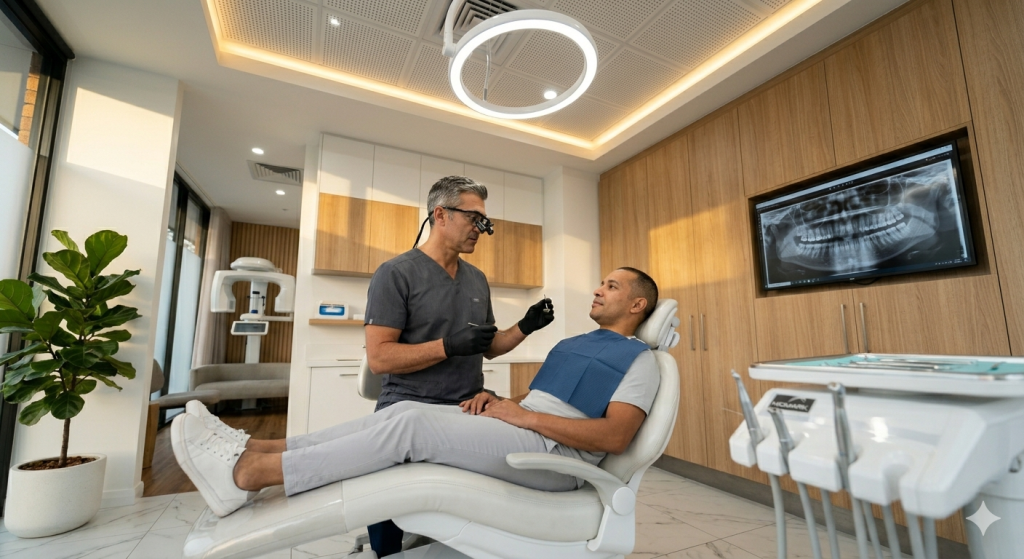
Dental emergencies have a way of happening at the worst possible time. A tooth starts throbbing on a weekend. A crown comes loose during dinner. A child chips a front tooth at practice. When pain, swelling, or injury appears suddenly, it is natural to search for an emergency dentist Atlanta GA and wonder what needs attention right away.
The good news is that many urgent dental problems can be treated effectively when patients act quickly and calmly. The first step is knowing what counts as an emergency, what to do at home while waiting for care, and when symptoms may require immediate medical attention.
This article is for general education only and should not replace a clinical evaluation. Anyone with severe pain, swelling, trauma, fever, trouble swallowing, or symptoms that are getting worse should contact a dental or medical professional promptly.
What Counts as a Dental Emergency?
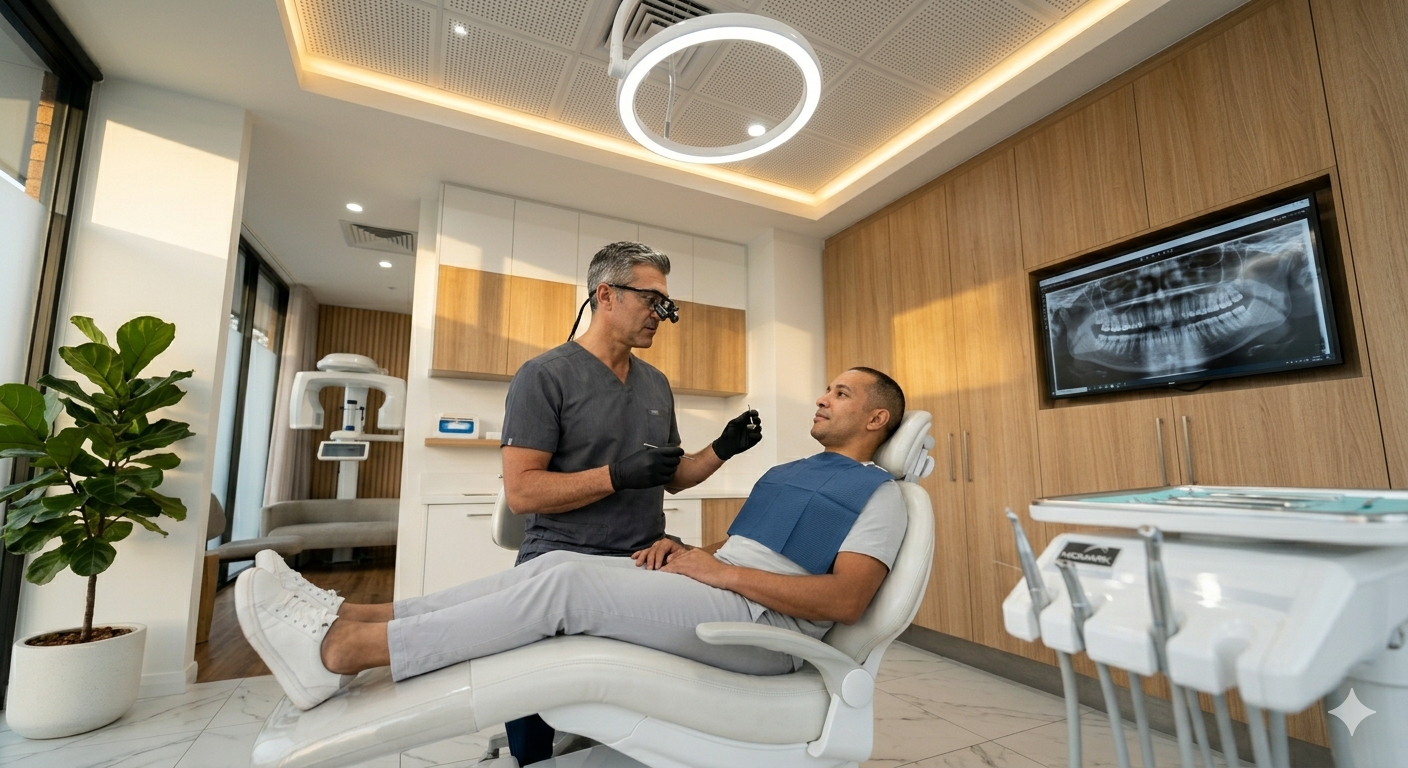
A dental emergency is any problem involving the teeth, gums, jaws, or mouth that needs prompt attention to relieve pain, stop bleeding, prevent infection from spreading, or save a tooth. Not every dental concern is an emergency, but some symptoms should never be ignored.
Common urgent dental situations include:
- Severe or persistent toothache
- Facial, jaw, or gum swelling
- A knocked-out tooth
- A cracked, broken, or loose tooth
- Bleeding that does not stop with gentle pressure
- A dental abscess or pimple-like bump on the gums
- Pain after dental work that suddenly worsens
- Broken dentures, crowns, bridges, or implant restorations that affect comfort or function
- Wisdom tooth pain with swelling or difficulty opening the mouth
In Atlanta, patients may look for an emergency dentist, oral surgeon, or urgent dental provider depending on the situation. For example, a simple lost filling may be handled by a general dentist, while severe swelling, facial trauma, complex extractions, or impacted wisdom teeth may involve an oral and maxillofacial surgery team.
When to Seek Immediate Medical Help
Some mouth and jaw symptoms can signal a serious infection or injury. A patient should seek emergency medical care or call 911 if they have:
- Trouble breathing
- Difficulty swallowing
- Rapidly increasing facial or neck swelling
- Swelling near the eye
- High fever with dental pain or swelling
- Uncontrolled bleeding
- Head, jaw, or facial trauma after an accident
Dental infections can sometimes spread beyond the tooth and gums. While most dental problems are not life-threatening, symptoms involving breathing, swallowing, fever, or spreading swelling deserve urgent attention.
Common Reasons Patients Search for an Emergency Dentist in Atlanta GA
Severe Toothache
A toothache can range from a dull ache to sharp, pulsing pain that makes it hard to eat, sleep, or focus. Pain may come from deep decay, a cracked tooth, gum infection, a damaged nerve, or pressure around a wisdom tooth.
Until a dental professional can evaluate the tooth, patients can rinse gently with warm salt water, keep the area clean, and avoid chewing on that side. Over-the-counter pain relievers may help some people, but they should be taken only as directed and only if safe based on the patient’s health history.
Patients should avoid placing aspirin directly on the gum or tooth. This old home remedy can burn the soft tissue and make the problem worse.
Dental Abscess or Swelling
An abscess is a pocket of infection that may develop around a tooth root, gum tissue, or jawbone. It may cause swelling, throbbing pain, a bad taste, fever, or a small bump on the gums. Sometimes swelling appears in the cheek, jawline, or under the chin.
An abscess should be evaluated promptly. Antibiotics may be part of care in some cases, but dental infections often require treatment at the source, such as drainage, root canal therapy, extraction, or another procedure. The right approach depends on the cause and severity of the infection.
Knocked-Out Tooth
A knocked-out permanent tooth is one of the most time-sensitive dental emergencies. Fast action can improve the chance that the tooth may be saved, although no outcome can be guaranteed.
If an adult tooth is knocked out, the patient should handle it by the crown, not the root. If dirty, it can be gently rinsed with milk or saline. The tooth should not be scrubbed. If possible, place it back into the socket and hold it gently in place. If that is not possible, store it in milk or a tooth preservation solution and seek emergency dental care right away.
A baby tooth should not usually be placed back into the socket because it can affect the developing permanent tooth. A dental professional should still be contacted for guidance.
Cracked, Broken, or Chipped Tooth
A small chip may not be urgent if there is no pain, but a deep crack, sharp edge, exposed inner tooth structure, or pain when biting should be evaluated quickly. Cracks can allow bacteria to enter the tooth and may worsen under chewing pressure.
Patients can rinse with warm water and cover a sharp edge with dental wax if available. If a piece of tooth breaks off, it can be saved and brought to the appointment. Chewing should be avoided on the injured side until the tooth is examined.
Wisdom Tooth Pain
Wisdom teeth often cause problems when they do not have enough room to come in properly. Pain may develop behind the back molars, and the gum tissue may become irritated or swollen. Some patients also notice jaw stiffness, bad taste, or difficulty opening fully.
Wisdom tooth pain can sometimes come from trapped food and inflammation around a partially erupted tooth. In other cases, the tooth may be impacted or infected. An oral surgery evaluation may include an exam and imaging to determine whether monitoring, cleaning, medication, or removal is appropriate.
Lost Crown, Filling, or Dental Restoration
A lost crown or filling can leave the tooth sensitive and vulnerable. While this may not always be a true emergency, it should be addressed soon, especially if there is pain, a sharp edge, or difficulty chewing.
Patients should keep the crown if it comes off and avoid using household glue. Temporary dental cement from a pharmacy may help protect the area for a short time, but it is not a replacement for professional care.
What to Do Before the Emergency Dental Appointment
During a dental emergency, a few simple steps can help protect the mouth and make the appointment more productive.
- Call as soon as possible. Describe the symptoms clearly, including when pain started, whether swelling is present, and whether there was an injury.
- Bring relevant information. Patients should share medical conditions, medications, allergies, and recent dental treatment.
- Use cold compresses for swelling from injury. Apply to the outside of the face in short intervals.
- Rinse gently. Warm salt water may help cleanse the area, but vigorous rinsing should be avoided after bleeding or trauma.
- Avoid chewing on the affected side. This can reduce pressure on a cracked, loose, or painful tooth.
- Do not ignore worsening symptoms. Increasing swelling, fever, or spreading pain should be reported promptly.
Patients should not try to drain an abscess, pull a tooth, file a sharp tooth, or repair dental work with non-dental materials. These approaches can cause injury, infection, or complications.
How an Emergency Dental Visit Usually Works
Many patients feel nervous when they need urgent dental care. Knowing what to expect can make the visit feel less overwhelming.
The dental team typically begins by asking about symptoms, medical history, and what happened. The clinician then examines the area and may recommend digital X-rays or 3D imaging when needed. Imaging helps identify problems that may not be visible, such as infection around a root, a fractured tooth, impacted wisdom teeth, or jawbone involvement.
After the evaluation, the provider explains the findings and discusses options. Emergency care may focus first on relieving pain, controlling infection, stabilizing an injury, or preventing the problem from getting worse. Depending on the diagnosis, treatment may include a temporary restoration, drainage of infection, tooth extraction, medication, referral for root canal therapy, or surgical care.
For patients who are anxious, modern dental and oral surgery practices often offer comfort-focused techniques. These may include gentle local anesthesia, clear communication throughout the visit, and sedation options when appropriate. Sedation is not right for everyone, so the clinician will review health history and safety considerations first.
Emergency Dental Care and Oral Surgery
Not every dental emergency requires oral surgery, but some situations benefit from a provider with surgical training. Oral and maxillofacial surgeons commonly manage complex tooth extractions, impacted wisdom teeth, dental infections involving deeper tissues, facial trauma, jaw-related injuries, and certain implant or bone-related complications.
For example, a severely damaged tooth may need extraction if it cannot be predictably restored. A wisdom tooth infection may require removal once the acute symptoms are under control. Facial trauma may require careful evaluation of the teeth, jaws, and surrounding structures.
The goal is always to match the treatment to the patient’s needs, comfort, and long-term oral health. A consultation helps determine whether urgent treatment, follow-up care, or coordination with a general dentist is the best next step.
Can Dental Emergencies Be Prevented?
Some emergencies happen unexpectedly, especially sports injuries and accidents. Still, many urgent dental visits can be prevented with routine care and early attention to warning signs.
Helpful preventive habits include:
- Scheduling regular dental exams and cleanings
- Treating cavities before they reach the nerve
- Wearing a mouthguard for sports or nighttime grinding
- Not chewing ice, pens, hard candy, or popcorn kernels
- Addressing wisdom tooth symptoms before they become severe
- Following post-treatment instructions after dental or surgical procedures
- Calling a dentist when pain, swelling, or sensitivity first appears
Small symptoms often become bigger problems when they are ignored. A tooth that is sensitive today may become painful later. A small crack may spread. Mild gum swelling around a wisdom tooth can turn into a more serious infection. Early care is usually simpler and more comfortable than waiting for an emergency.
Choosing an Emergency Dentist in Atlanta GA
When searching for an emergency dentist in Atlanta GA, patients often need answers quickly. Comfort, experience, communication, and availability all matter. It can help to look for a dental or oral surgery team that listens carefully, explains options clearly, and has experience with urgent conditions such as infection, trauma, and complex tooth pain.
Patients should feel comfortable asking practical questions, such as:
- How soon can the issue be evaluated?
- What symptoms require a hospital emergency room instead?
- Will X-rays or imaging be needed?
- What options are available for pain control or anxiety?
- Will follow-up care be needed after the emergency visit?
- Should a general dentist, oral surgeon, or medical provider be involved?
A calm, informed team can make an urgent situation feel more manageable. The best first step is often a phone call, especially when symptoms are severe or changing.
Frequently Asked Questions About Emergency Dental Care
Should a patient go to the ER or an emergency dentist for tooth pain?
For most toothaches, an emergency dentist or dental specialist is the right place to start because the source is often dental. However, a patient should seek emergency medical care if there is trouble breathing, difficulty swallowing, severe facial or neck swelling, uncontrolled bleeding, high fever, or trauma involving the head or face.
Is a dental abscess an emergency?
Yes, a suspected dental abscess should be evaluated promptly. Signs may include swelling, throbbing pain, a pimple-like bump on the gums, fever, or a bad taste in the mouth. Dental infections can worsen if untreated, and care may be needed to address the source of infection.
What should someone do if a tooth is knocked out?
For a knocked-out permanent tooth, handle it by the crown, gently rinse if needed, and try to place it back in the socket if possible. If that cannot be done, keep it in milk or a tooth preservation solution and seek emergency dental care immediately. Do not scrub the root. Baby teeth should not usually be reinserted.
Can an emergency dentist remove a tooth the same day?
Sometimes same-day extraction may be appropriate, but it depends on the patient’s health, the condition of the tooth, the presence of infection, imaging findings, and the complexity of the case. The clinician will explain safe options after an exam.
What can help dental pain while waiting for an appointment?
Gentle warm salt water rinses, avoiding chewing on the affected side, and using over-the-counter pain relievers as directed may help some patients. A cold compress may help swelling after injury. Patients should avoid applying aspirin to the gums, using household glue, or attempting home dental procedures.
Is wisdom tooth pain considered a dental emergency?
Wisdom tooth pain can become urgent if it includes swelling, fever, bad taste, drainage, difficulty opening the mouth, or trouble swallowing. Even mild recurring pain behind the back molars should be evaluated before it worsens.
A Calm Next Step for Urgent Dental Concerns
Dental emergencies can be stressful, but patients do not have to navigate them alone. Severe tooth pain, swelling, broken teeth, knocked-out teeth, and wisdom tooth problems all deserve timely attention from a qualified dental professional.
Anyone searching for an emergency dentist Atlanta GA should focus on getting the right evaluation as soon as possible, especially if symptoms are severe or worsening. Dr. Abtin Shahriari and the team can help patients understand their options and determine the next appropriate step for urgent oral health concerns.
If something feels wrong, it is better to ask than to wait. A prompt call can bring clarity, comfort, and a plan for care.